

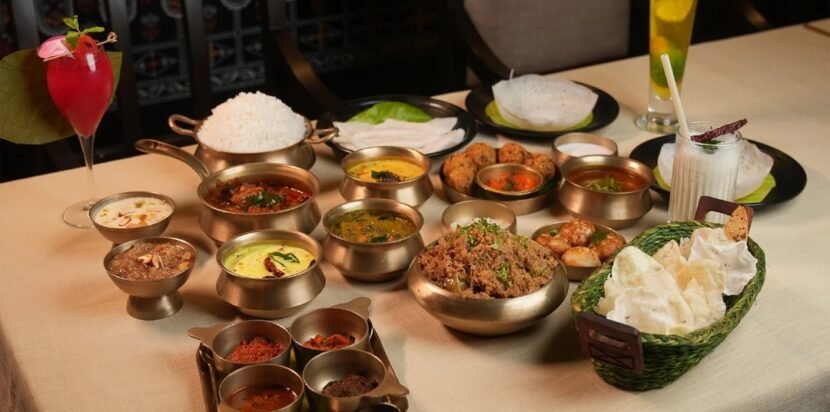
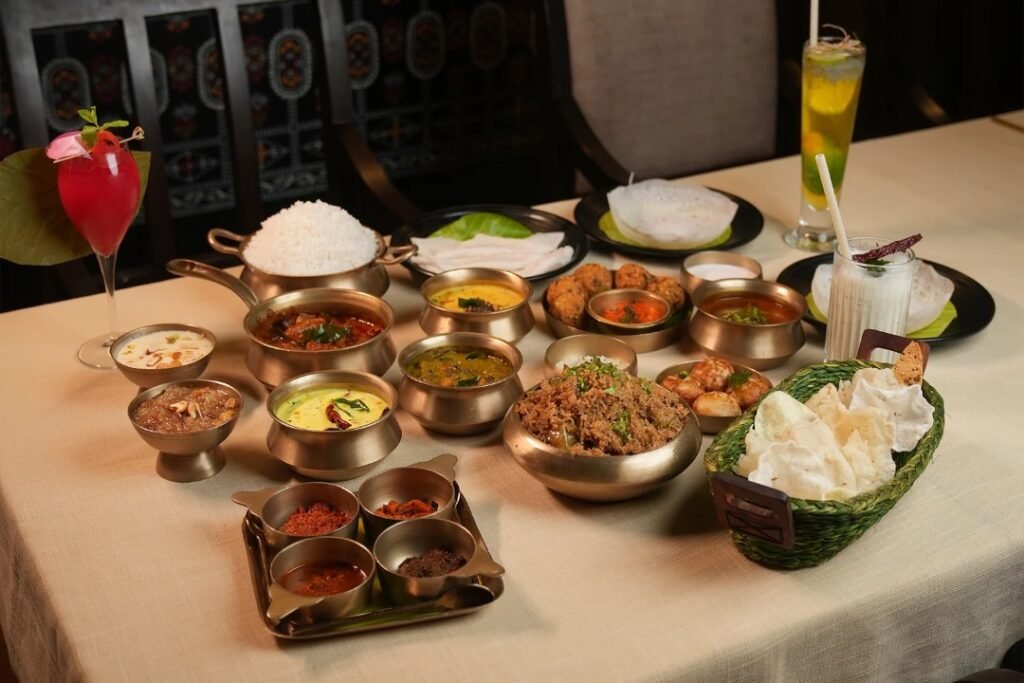
South India is a land where food is more than nourishment; it is an expression of culture, climate, and centuries-old traditions. The flavours of South Indian cuisine are known for their perfect balance of spice, tang, aroma, and comfort. From crispy dosas to soothing rasam, every dish tells a story rooted in regional identity and home-style cooking.
This detailed blog explores the depth, diversity, and uniqueness of the flavours of South Indian food, highlighting ingredients, regional variations, cooking techniques, and a special mention of a popular South Indian restaurant in Chennai.
Understanding the Core Flavours of South Indian Foods
The foundation of the flavours of South Indian cuisine lies in the thoughtful use of natural ingredients and traditional cooking methods. Unlike heavy gravies, South Indian dishes focus on clarity of taste, where each spice has a role and no flavour overpowers another.
Key taste profiles include:
- Spicy
- Tangy
- Earthy
- Mildly sweet
- Fermented sourness
These flavours come together harmoniously, making South Indian food both wholesome and deeply satisfying.
Essential Ingredients That Define Flavours of South Indian Food
Spices That Create Signature South Indian Flavours
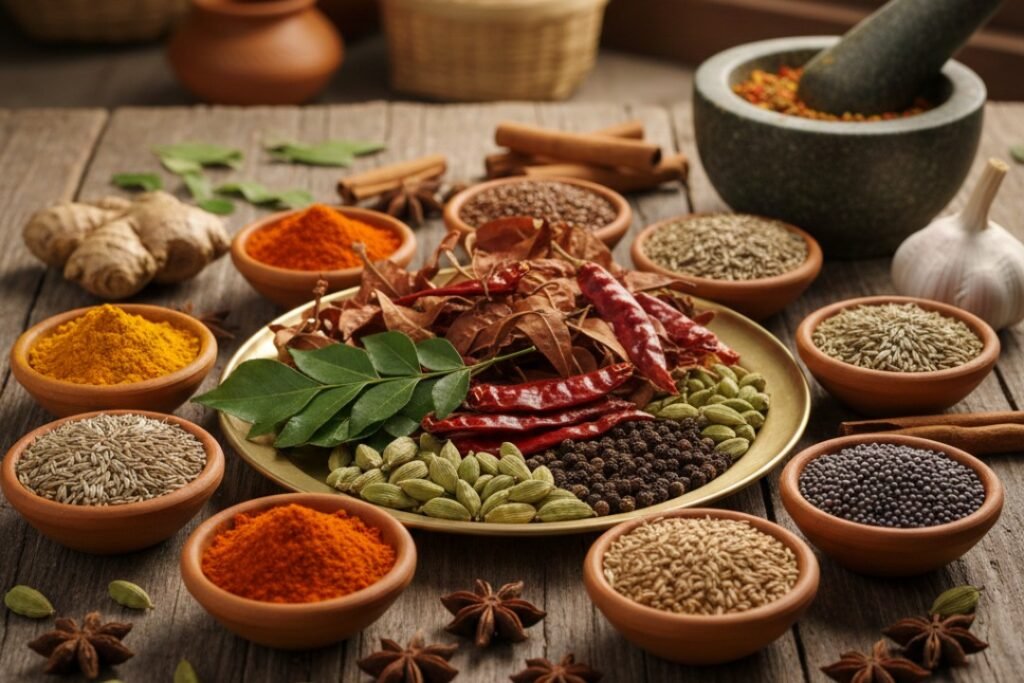
Spices are the soul of South Indian cooking. Commonly used spices include:
- Mustard seeds
- Curry leaves
- Dried red chillies
- Black pepper
- Fenugreek
- Asafoetida (hing)
Tempering these spices in hot oil releases rich aromas that instantly define the flavours of South Indian dishes.
Role of Coconut in South Indian Cuisine
Coconut plays a major role, especially in Kerala and coastal Karnataka. It adds:
- Natural sweetness
- Creamy texture
- Mild richness
Coconut is used in chutneys, curries, stews, and even rice-based dishes, contributing to the soft and comforting flavours of South Indian meals.
Tamarind: The Tangy Backbone
Tamarind brings depth and acidity to dishes like sambar, rasam, and puliyodharai. Its tanginess balances spice and enhances overall taste, making it a key element in the flavours of South Indian cuisine.
Fermentation: A Unique Element Flavours in South Indian Food
One of the most distinctive aspects of South Indian cooking is fermentation. Dishes like idli, dosa, appam, and uttapam rely on fermented batter, which adds:
- Mild sourness
- Soft texture
- Easy digestibility
This natural fermentation gives South Indian food its light yet flavourful character.
Regional Variations in Flavours of South Indian Cuisine
Tamil Nadu: Spicy, Tangy & Earthy
Tamilnadu cuisine is known for bold spices and tamarind-forward dishes. Sambar, rasam, poriyal, and kuzhambu reflect strong yet balanced flavours of South Indian food.
Andhra Pradesh & Telangana: Bold and Fiery
These regions are famous for their intense heat. Guntur chillies, spicy pickles, and robust gravies define the fiery flavours of South Indian cuisine from this belt.
Kerala: Coconut-Rich and Subtle
Kerala food focuses on coconut, curry leaves, and gentle spices. Fish curries, avial, and vegetable stews highlight mild yet aromatic flavours of South Indian dishes.
Karnataka: Sweet-Spicy Balance
Karnataka cuisine blends sweet, spicy, and savoury flavours. Dishes like bisi bele bath, ragi mudde, and saaru showcase a well-rounded South Indian taste profile.
Rice-Based Dishes and Comfort Flavours
Rice is central to South Indian meals. From steamed rice with sambar to flavoured varieties like lemon rice, curd rice, and tamarind rice, the flavours of South Indian cuisine are designed to complement rice in every form.
Curd rice, in particular, stands out for its cooling and soothing flavour, often served at the end of a meal to balance spices.
Traditional Cooking Techniques That Enhance Flavour
South Indian cooking relies on slow cooking, fresh grinding of spices, and minimal processing. Stone grinding, clay pot cooking, and fresh tempering preserve authenticity and elevate the flavours of South Indian food.
Visesham South Indian Restaurant in Chennai: Authentic Flavours on a Plate

For those looking to experience authentic flavours of South Indian cuisine in Chennai, Visesham South Indian Restaurant is a name that stands out. Known for its traditional recipes and homely taste, Visesham serves classic South Indian dishes prepared with fresh ingredients and vintage techniques.
From soft idlis and crispy dosas to flavour-packed sambar and aromatic rasam, the restaurant stays true to regional authenticity. Visesham is especially appreciated for its balanced spice levels and comforting flavours, making it a preferred destination for both locals and visitors seeking genuine South Indian food in Chennai.
Reach and Taste Flavours of South Indian Foods
Address:135, Chamiers Rd, Nandanam Extension, Nandanam, Chennai, Tamil Nadu 600035
Website: https://visesham.com/
Call : 9176757755
Why Flavours of South Indian Cuisine Are Loved Worldwide
The global popularity of South Indian food lies in its:
- Healthy cooking methods
- Vegetarian-friendly options
- Naturally balanced flavours
- Digestive-friendly spices
The flavours of South Indian cuisine are not just about heat—they are about harmony, nutrition, and tradition.
Conclusion
The flavours of South Indian food reflect centuries of culinary wisdom shaped by geography, culture, and climate. Whether enjoyed at home, in temples, or at renowned restaurants like Visesham in Chennai, South Indian cuisine continues to offer a rich, comforting, and memorable taste experience.
From spicy curries to soothing rice dishes, the flavours of South Indian cuisine remain timeless, authentic, and deeply rooted in tradition.
FAQs
1. What makes the flavours of South Indian cuisine unique?
The flavours of South Indian cuisine are unique due to the balanced use of spices, tamarind, coconut, curry leaves, and fermentation techniques that create bold yet comforting tastes.
2. Are South Indian dishes always spicy?
No. While some regions like Andhra are known for heat, many South Indian dishes focus on mild, tangy, and aromatic flavours rather than just spice.
3. What ingredients define the flavours of South Indian food?
Key ingredients include rice, lentils, mustard seeds, curry leaves, coconut, tamarind, dried red chillies, black pepper, and asafoetida, all contributing to authentic South Indian flavours.
4. Why is coconut commonly used in South Indian cuisine?
Coconut adds natural sweetness and creaminess, especially in Kerala and coastal cuisines, enhancing the soft and rich flavours of South Indian dishes.
5. How does fermentation affect the flavours of South Indian food?
Fermentation improves texture, adds mild sourness, and enhances digestibility, giving idli, dosa, and appam their signature taste.
6. What role does tamarind play in South Indian cooking?
Tamarind provides tanginess and depth, balancing spices and enhancing the overall flavours of South Indian cuisine, especially in sambar and rasam.
7. Are South Indian flavours suitable for vegetarians?
Yes. South Indian cuisine is highly vegetarian-friendly, offering a wide variety of plant-based dishes rich in nutrition and flavour.
8. How do regional cuisines affect South Indian flavours?
Each region adds its own character—Tamil Nadu is tangy and spicy, Kerala is coconut-rich, Andhra is fiery, and Karnataka balances sweet and spicy flavours.
9. Where can I experience authentic flavours of South Indian food in Chennai?
Restaurants like Visesham South Indian Restaurant in Chennai are known for serving traditional dishes that reflect true South Indian flavours.
10. Why are flavours of South Indian cuisine popular worldwide?The flavours of South Indian cuisine are loved globally due to their health benefits, balanced spices, natural ingredients, and comforting taste.
